
Skip to content
Menu
905-388-3333

Monday – Friday: 8:00AM – 4:30PM · 24 Hour Emergency Service

A person stretching in a home with clean, fresh air

Air Quality

Whole Home Humidifiers Replenish Moisture in the Air

On this page
  1. Signs your home is too dry
  2. Benefits of a whole-home humidifier
  3. Bypass, fan-powered or steam?
  4. Whole-home humidifier questions

Cold, dry winter air pulls moisture from your skin, your woodwork and your furniture. A whole-home humidifier connects to your furnace and adds just the right amount of moisture to every room automatically. Most models need only an annual water panel replacement.

Get a Humidifier Quote

Signs your home is too dry

  • Dry, itchy skin, chapped lips and irritated sinuses
  • Static shocks
  • Cracking hardwood floors, trim and furniture
  • Pianos and instruments that won’t stay in tune
  • Feeling chilly even with the thermostat turned up

Benefits of a whole-home humidifier

More comfortable at a lower temperature

Humid air feels warmer, so you can turn the thermostat down and save on heating.

Protects your home

Keeps wood floors, furniture, art and instruments from drying out and cracking.

Even, automatic humidity

Humidifies the whole house, not just one room, with no tanks to fill.

Low running cost

Many models use very little electricity.

Bypass, fan-powered or steam?

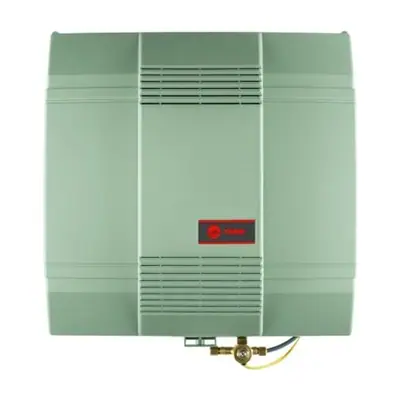
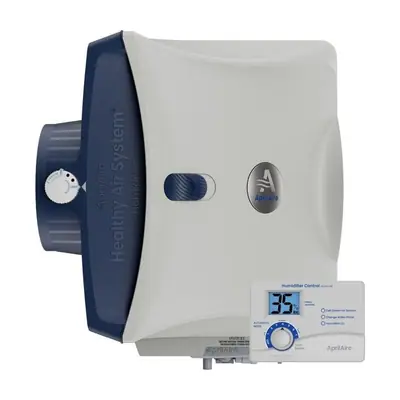
Bypass and fan-powered (evaporative)

The most common choice, running with your furnace and using very little energy.

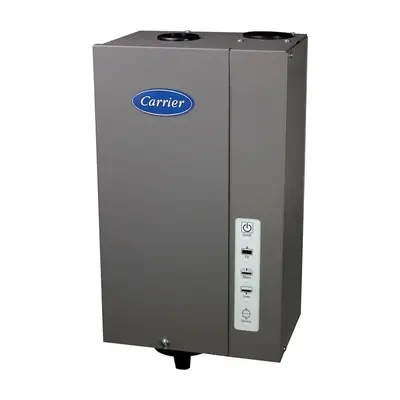
Steam

The most precise humidity control, independent of the furnace, ideal for larger homes or anyone who needs exact humidity levels.
Compare all indoor air quality from every brand

Pair a humidifier with a whole-home ventilator for fresh, balanced air, or ask about adding one during your furnace tune-up.

What to expect

How a new air quality installation works

  1. Free in-home assessment

    We look at your home, your current system and your comfort goals. Quotes are free and no-obligation.

  2. Right-sized recommendations

    We size the system for your home and walk you through standard, mid-range and premium options from every brand we carry.

  3. Clear written quote

    You get an itemized quote, plus help with available rebates and Financeit financing.

  4. Professional installation

    Our licensed installers handle the equipment, venting, gas and ductwork connections, then test everything and clean up.

  5. Warranty and maintenance

    We explain your manufacturer warranty and how annual maintenance keeps it valid.

Helpful guides

Whole-home humidifier questions

What humidity should I set my humidifier to in winter?

Aim for about 30 to 40 percent in most Ontario winters, and turn it down when it's very cold outside. Health Canada recommends 30 to 50 percent indoors, but cold windows set a lower limit: the colder it gets, the sooner moisture condenses on the glass. If you see fog or frost on the inside of your windows, lower the setting. Automatic controls, such as on the AprilAire 620A, adjust for the outdoor temperature for you.

What are the signs of dry air in my home?

Common signs are static shocks, dry or itchy skin, chapped lips, and a scratchy throat or irritated sinuses when you wake up. Your home shows it too: gaps in hardwood floors, cracking trim and furniture, and pianos or guitars that won't stay in tune. A simple hygrometer will confirm it; readings below 30 percent mean the air is too dry. Dry air also feels cooler, so you may find yourself turning up the heat.

What's the difference between bypass, fan-powered and steam humidifiers?

Bypass and fan-powered humidifiers evaporate water from a panel, while steam humidifiers boil it. A bypass model uses your furnace blower to push warm air through the panel by way of a small duct, and uses very little electricity. A fan-powered model has its own fan, so it delivers more moisture and needs no bypass duct. A steam model makes steam electrically, works whether or not the furnace is heating, and gives the most output and precise control.

Which type of whole-home humidifier is best for my home?

For most homes with a gas furnace, an evaporative humidifier is the right choice: bypass for typical homes with room for the bypass duct, and fan-powered for larger homes or tight spaces. Steam makes sense for large homes, homes heated by a heat pump (cooler supply air means less evaporation) and anyone who wants exact humidity. We'll size it to your home's square footage and how airtight it is.

How often should I replace the humidifier water panel?

Replace it at least once a year, ideally at the start of the heating season. Minerals in the water build up on the panel and reduce how much moisture it can deliver, and with hard water you may need a second change mid-winter. Steam humidifiers use a canister instead, which AprilAire recommends replacing every year. Ask us to change it during your fall furnace tune-up.

Should I turn my humidifier off in the summer?

Yes. At the end of the heating season, turn the humidistat off, shut the water supply and close the bypass damper on bypass models, then reverse it in the fall. An open damper in summer lets cooled air loop back to the return instead of reaching your rooms, which wastes air conditioning. Our spring and fall maintenance plan inspections include checking the humidifier damper position.

Can a humidifier cause mould or window condensation?

Not if it's set correctly. Problems happen when the humidity is set too high for the outdoor temperature, so moisture condenses on cold windows and inside exterior walls. Keep winter humidity around 30 to 40 percent, lower in a cold snap, and use an automatic control that adjusts for outdoor temperature. Replace the water panel yearly so minerals and grime don't build up. If condensation continues, a ventilator can help.

Is a whole-home humidifier better than a portable one?

For most homes, yes. A whole-home humidifier adds moisture to every room through your ductwork, runs automatically from a humidistat and connects to a water line, so there are no tanks to fill. Portable units cover one room and need refilling and regular cleaning to keep bacteria and mould from growing in the tank. A whole-home unit is also quieter and usually needs only yearly maintenance.

Does a whole-home humidifier use a lot of water or electricity?

Not much. Bypass models use very little electricity, and fan-powered models add only a small fan. Evaporative humidifiers send some water down the drain to keep the panel clean, but newer designs waste less: AprilAire says its HydroCore 620 and 720 produce 55 and 60 percent less wastewater than its earlier 600 and 700 models. Steam humidifiers use the most electricity, since they boil the water.

Can a humidifier help me save on heating?

It can help a little. Moist air feels warmer than dry air at the same temperature, so many people are comfortable with the thermostat set a bit lower once the humidity is right. How much you save depends on your home and habits, so think of comfort and protecting your floors and furniture as the main benefits, and any energy savings as a bonus.

Ask Us a Question

Financing for new home systems

Spread the cost with monthly payments

A new furnace, air conditioner, heat pump or water heater doesn't have to wait. Start saving on energy now and pay over time.

  1. Get your free, itemized quote
  2. Apply online with Financeit
  3. Choose a monthly plan that fits
Call now Book service