
Skip to content
Menu
905-388-3333

Monday – Friday: 8:00AM – 4:30PM · 24 Hour Emergency Service

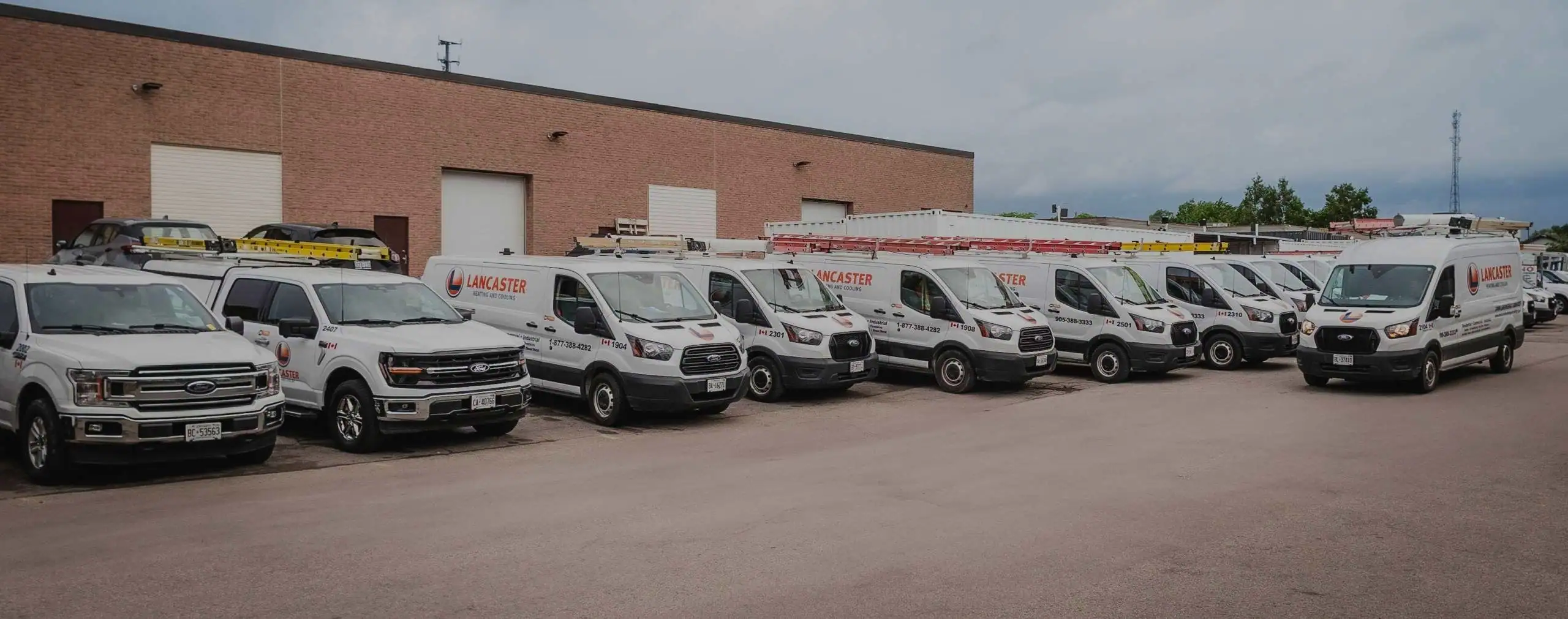
Lancaster Heating and Cooling service vans parked outside the Hamilton shop

Ductwork & Gas Lines

Expert Gas Line Installation, Repair, and Conversions

On this page
  1. Our gas line services
  2. Converting between propane and natural gas
  3. Gas line questions

Lancaster Heating and Cooling’s licensed gas technicians install, repair, maintain and convert gas lines and gas appliances for homes and businesses across Hamilton and Niagara.

Request Gas Line Service

Our gas line services

Gas line installation

New gas lines for appliances, heating equipment and additions, installed safely and to code.

Gas line repair and maintenance

From leak detection to worn fittings, we repair and maintain gas piping for long-term safety.

Gas appliance hook-ups

Proper connection and start-up for new gas appliances. Even a high-quality appliance performs poorly, or can be unsafe, if it isn’t installed correctly.

Appliance conversions

Converting appliances between propane and natural gas.
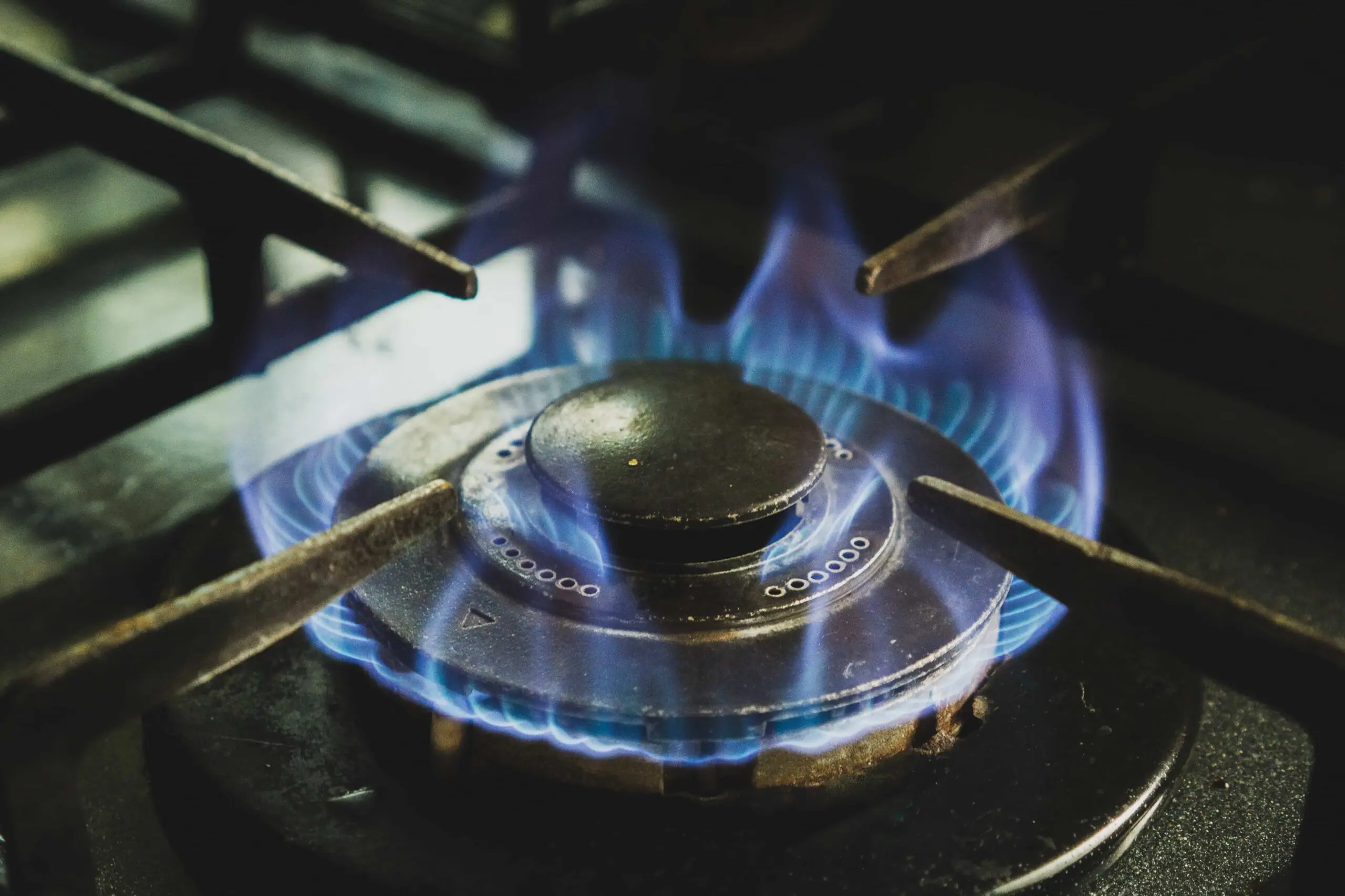
A gas appliance connection

Converting between propane and natural gas

Converting an appliance means modifying it to use a different fuel, usually by replacing the gas orifices, burners or regulator. Natural gas is supplied at a much lower pressure than propane, so the parts are sized differently:

  • Propane in a natural gas appliance: the larger natural gas orifice lets too much higher-pressure propane through, creating an oversized, unsafe flame.
  • Natural gas in a propane appliance: the smaller propane orifice and lower gas pressure produce a weak flame or none at all.

That’s why conversions must be done by a licensed gas technician with the manufacturer’s conversion kit. It’s common when natural gas reaches a rural property, or when moving a propane appliance to a home with natural gas.

Smell gas? Leave the building immediately, then call 911 or your gas utility from outside.

We provide gas line services for residential and commercial properties. Related: fireplaces, furnace installation and water heaters.
What to expect

How a new gas line installation works

  1. Free in-home assessment

    We look at your home, your current system and your comfort goals. Quotes are free and no-obligation.

  2. Right-sized recommendations

    We size the system for your home and walk you through standard, mid-range and premium options from every brand we carry.

  3. Clear written quote

    You get an itemized quote, plus help with available rebates and Financeit financing.

  4. Professional installation

    Our licensed installers handle the equipment, venting, gas and ductwork connections, then test everything and clean up.

  5. Warranty and maintenance

    We explain your manufacturer warranty and how annual maintenance keeps it valid.

Our work

See all projects
  • Commercial

    Commercial HVAC, Gas Line Services

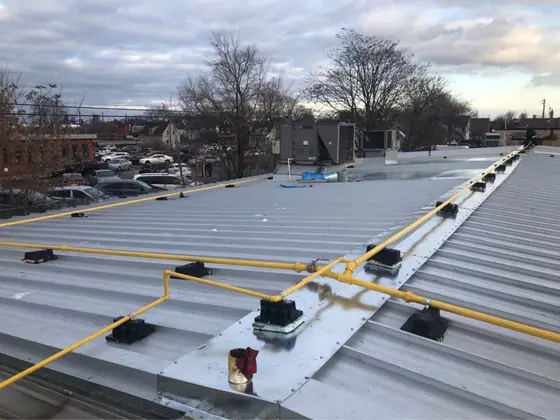
    Rooftop gas line on a metal roof

    A new gas line run across a standing-seam metal roof on supports, feeding rooftop equipment.

    See our work

Gas line questions

Can you run a natural gas line to my BBQ?

Yes. We install permanent gas lines to outdoor BBQs, usually ending in a shut-off valve and quick-connect outlet on your deck or patio. Your BBQ must be designed for natural gas or converted with the manufacturer's kit, since a propane BBQ can't safely run on natural gas as-is. A permanent line means no more refilling or swapping tanks.

Can you install a gas line for a range or dryer?

Yes. We run gas lines and connect gas ranges, cooktops and dryers, including when you're switching from electric. We size the line for the appliance, install a shut-off valve and test for leaks. A gas dryer also needs a proper exhaust vent to the outside, and a gas range still needs an electrical outlet for its controls and igniter.

Can you run a gas line for a pool heater or garage heater?

Yes. Pool heaters and garage unit heaters are common gas line projects. These appliances use a lot of gas, so the line must be sized for their input and the distance from the meter, along with everything else already on your system. Garage heaters also need correct venting and clearances. Request gas line service and we'll assess your setup.

Can my existing gas line handle another appliance?

Sometimes. Gas piping is sized for the total demand of all connected appliances and the length of the run. Adding a large appliance, like a pool heater, generator or tankless water heater, can leave the others short of gas if the pipe is too small. We calculate the load and tell you whether you need a larger line or a new run.

Can I install a gas line myself?

No. In Ontario, gas piping and gas appliances must be installed by a certified gas technician working for a TSSA-registered contractor. G2 technicians can work on appliances up to 400,000 BTU/h, and G1 technicians on larger equipment. Lancaster is a TSSA registered contractor, and our gas work is done by our own licensed gas technicians.

Do I need a permit for a new gas line?

Gas work in Ontario is regulated by the TSSA and must meet the Natural Gas and Propane Installation Code (CSA B149.1). As a TSSA registered contractor, we're responsible for doing the work to code and testing it. Some projects, such as gas work in a renovation or addition, may also need a municipal building permit; we'll tell you if yours does.

Do I need to contact Enbridge for a new gas line?

Only if you need new or upgraded gas service to the building. In most of our service area, Enbridge Gas owns and installs the service line and meter, while the piping after the meter, to your appliances, is installed by a licensed contractor like us. If your project needs a new service or a larger meter, we can help you coordinate with Enbridge.

What are the signs of a gas leak?

The most common sign is a rotten-egg or sulphur smell, which is added to natural gas and propane so leaks can be noticed. You might also hear hissing near a gas line or appliance. If you notice either, leave the building right away, then call Enbridge Gas's emergency line or 911 from outside. Don't use switches, phones or anything that could spark inside.

Can you convert an appliance from propane to natural gas?

Yes, if the manufacturer offers a conversion kit for that appliance. A licensed gas technician replaces the orifices and adjusts or replaces the regulator so the appliance burns the new fuel safely, then tests it. Some appliances can't be converted and need to be replaced. It's common when natural gas reaches a rural property or you move a propane appliance.

Should I choose propane or natural gas?

If natural gas is available on your street, it's usually the simpler choice: it's piped in, so there's no tank to fill or rent. Propane is stored in a tank on your property and suits rural homes and cottages without a gas main. Both fuels power the same kinds of appliances, and we install and service both.

Do you install gas lines for businesses?

Yes. We install new gas lines, extensions and equipment connections for commercial buildings, including rooftop units, unit heaters, and commercial water heaters. Each line is sized for the equipment's gas demand and tested before start-up. See commercial HVAC, or request a commercial quote and tell us about your project.

Ask Us a Question

What Our Clients Say About Our Gas Line Services Service

I just wanted to thank Richard Koning of Lancaster and his exceptional team. Richard did all of the prep work for the quote, installation and connecting with Enbridge to have the gas line installed and Richard and his team of Ben, Austin and Mark worked all day to install the new gas furnace. Their Gas Fitting for the line inside of the house, the duct work and the install of the furnace were all done with exceptional care. They all provided a level of excellent service and their attention to detail was greatly appreciated. Thank-you for keeping our house cool in the summer and warm in the winter. Well done to the Lancaster Team.

Donnie and Carole MacVicar Google review · June 2025
Call now Book service