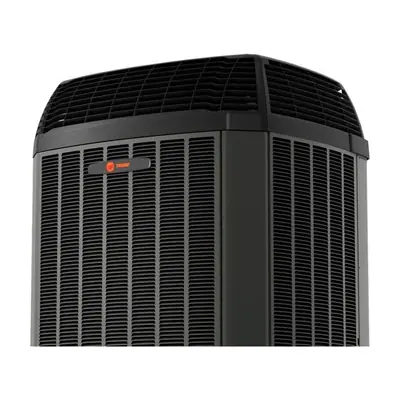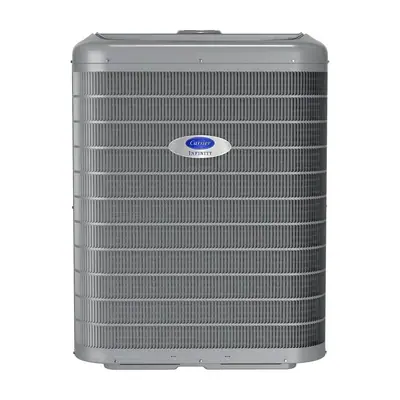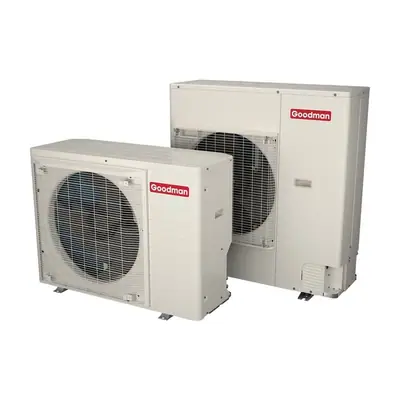
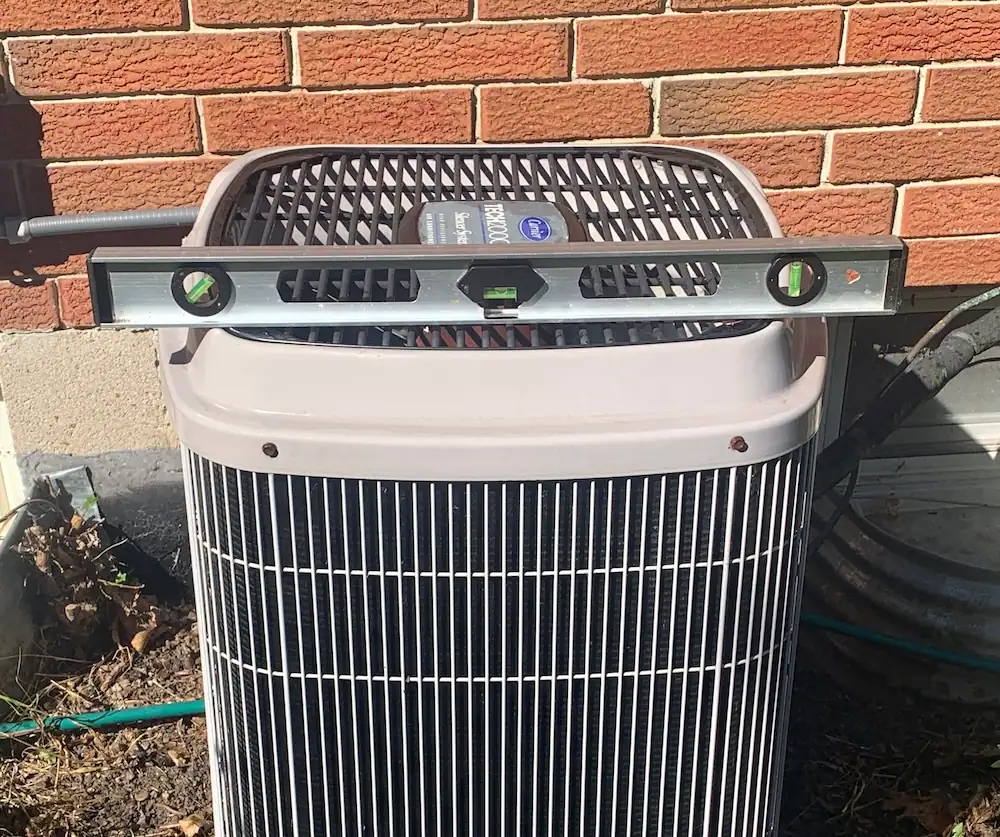
Based on public Canadian cost guides, a heat pump in Ontario typically costs about $3,500–$7,000 installed for a single-zone ductless system and $5,000–$18,000 for a ducted system, depending on whether you choose a standard or cold-climate model, before tax and rebates. Rebates can take thousands off eligible cold-climate models. Here’s what each type typically costs, what moves the price, and how to get an accurate number for your home.
Typical heat pump costs in Ontario (2026)
| Heat pump type | Typical installed range in Ontario |
|---|---|
| Ductless mini-split, single zone (one indoor unit) | About $3,500–$7,000 |
| Ducted air-source heat pump, standard (existing ducts) | About $5,000–$10,000 |
| Ducted cold-climate air-source heat pump (existing ducts) | About $10,000–$18,000 |
| Ductless multi-zone (two to four indoor units) | About $8,000–$20,000 |
| Hybrid system: heat pump paired with a gas furnace | About $8,000–$16,000 |
These are typical installed price ranges in Ontario based on public sources (listed below), including equipment and standard installation, before tax and rebates. They’re not a Lancaster quote; your price depends on your home and the system you choose.
What each type means:
- Ducted air-source: an outdoor unit connected to a coil on your furnace or air handler, using your existing ducts to heat and cool the whole home. See heat pumps.
- Cold-climate: a ducted or ductless heat pump designed to keep heating efficiently in deep cold. Only eligible cold-climate models qualify for the Home Renovation Savings heat pump rebate.
- Ductless: wall-mounted indoor units connected to an outdoor unit, ideal for homes without ducts, additions and problem rooms. See ductless heat pumps.
- Hybrid (dual-fuel): a heat pump that works with a gas furnace, switching to the furnace on the coldest days. The lower end of the range applies when your existing furnace stays; the upper end when you replace both.
Compare models on our heat pump and ductless product pages, or read the best heat pump brands for Ontario.
What changes the price
- Sizing: a heat pump should be sized with a room-by-room heat-loss calculation. Larger capacity costs more, and an oversized unit short-cycles and dehumidifies poorly.
- Efficiency and cold-climate rating: variable-speed, cold-climate models cost more but heat better in January and qualify for more rebates.
- Ductwork: ducted systems assume usable ducts. Undersized, leaky or missing ducts add significant cost. See ductwork.
- Electrical: a new dedicated circuit is standard; an electrical panel upgrade or electric backup heat adds cost.
- Number of zones: each ductless indoor unit adds equipment, line set and labour.
- Line sets and placement: long refrigerant runs, wall penetrations, a wall bracket or a concrete pad for the outdoor unit all affect labour.
- Your furnace: in a hybrid system, an older furnace may need a compatible blower or controls, or replacing.
- Permits and removal: the permit (where required) and removal of the old air conditioner and refrigerant recovery are part of a complete quote.
How rebates offset the cost
As of October 31, 2026, according to our rebates guide:
- Home Renovation Savings Program: an eligible cold-climate air-source heat pump (ducted or ductless) earns $1,250 per ton, up to $7,500, in homes heated by electricity, oil, propane or wood, or $500 per ton, up to $2,000, in Enbridge gas-heated homes. No energy assessment is needed, but the model must be on Natural Resources Canada’s eligible list, the home can’t already have a heat pump for space heating, and work can’t start until written pre-approval.
- National Heat Pump Rebate (federal): up to $10,000 for households below the median income or $2,000 for other eligible households, for installations from November 1, 2026. Applications are expected to open early in 2027, and full rules are still being published.
The federal government says its rebate can be combined with provincial programs, and Home Renovation Savings caps combined funding at the cost of the project. For example, using only the published maximums, a gas-heated home installing a 4-ton eligible cold-climate heat pump could receive $2,000 from Home Renovation Savings, and an eligible household could add $2,000 from the federal rebate (up to $10,000 below the median income). Your actual amount depends on your home, the model and program rules, so we’ll confirm eligibility before you commit.
Financing: spread the rest over monthly payments with Financeit financing.
Ways to save
- Right-size it. A proper heat-loss calculation avoids paying for capacity you don’t need.
- Consider a hybrid. If your furnace has plenty of life left, adding a heat pump instead of a new air conditioner can cost less than an all-electric system.
- Seal and insulate first. A tighter home may need a smaller heat pump. Income-qualified households may get free upgrades through the programs on our rebates page.
- Get pre-approval before work starts so you don’t lose the rebate.
- Maintain it. Yearly maintenance keeps a heat pump efficient and helps keep the manufacturer’s warranty valid. Our service plans include a spring inspection on one air conditioner or heat pump.
How to compare heat pump quotes
Heat pump quotes can look very different on paper. Ask every contractor:
- Did you do a room-by-room heat-loss calculation, or are you matching the old air conditioner’s size?
- What’s the exact outdoor and indoor model number, and is the combination on Natural Resources Canada’s eligible product list for the rebate you’re counting on?
- How will it heat on the coldest days: a furnace (hybrid), electric backup heat, or the heat pump alone?
- What’s included: line set, pad or wall bracket, electrical circuit and any panel work, ductwork changes, thermostat, permit, removal of the old equipment and refrigerant recovery?
- Who handles the rebate pre-approval, and when can work start?
- What warranty is included on parts and on labour, and what maintenance does the manufacturer require?
Get an accurate quote
Online ranges are a starting point. Your price depends on your home’s heat loss, ducts, electrical panel and the system you choose. Lancaster Heating and Cooling will assess your home, compare ducted, ductless and hybrid options, check rebate eligibility for the specific model and give you a clear, itemized quote at no cost.
Request a free in-home quote, and ask about financing.
Sources
Typical ranges are rounded from these public Canadian sources (checked November 2026):
- HomeStars: HVAC installation cost and HVAC system cost
- Carrier Canada: cost of a heat pump
- FurnacePrices.ca: heat pump prices
- Heat Pump Installation Canada: heat pump cost
- VoltFlow: heat pump cost in Canada (2026)
- Green Building Canada: heat pumps vs. gas furnaces vs. hybrid systems
- Sustainable Technologies Evaluation Program: dual fuel analysis
- Rebate amounts: our rebates guide, which links to the official program pages.