Skip to content
Menu
905-388-3333

Monday – Friday: 8:00AM – 4:30PM · 24 Hour Emergency Service

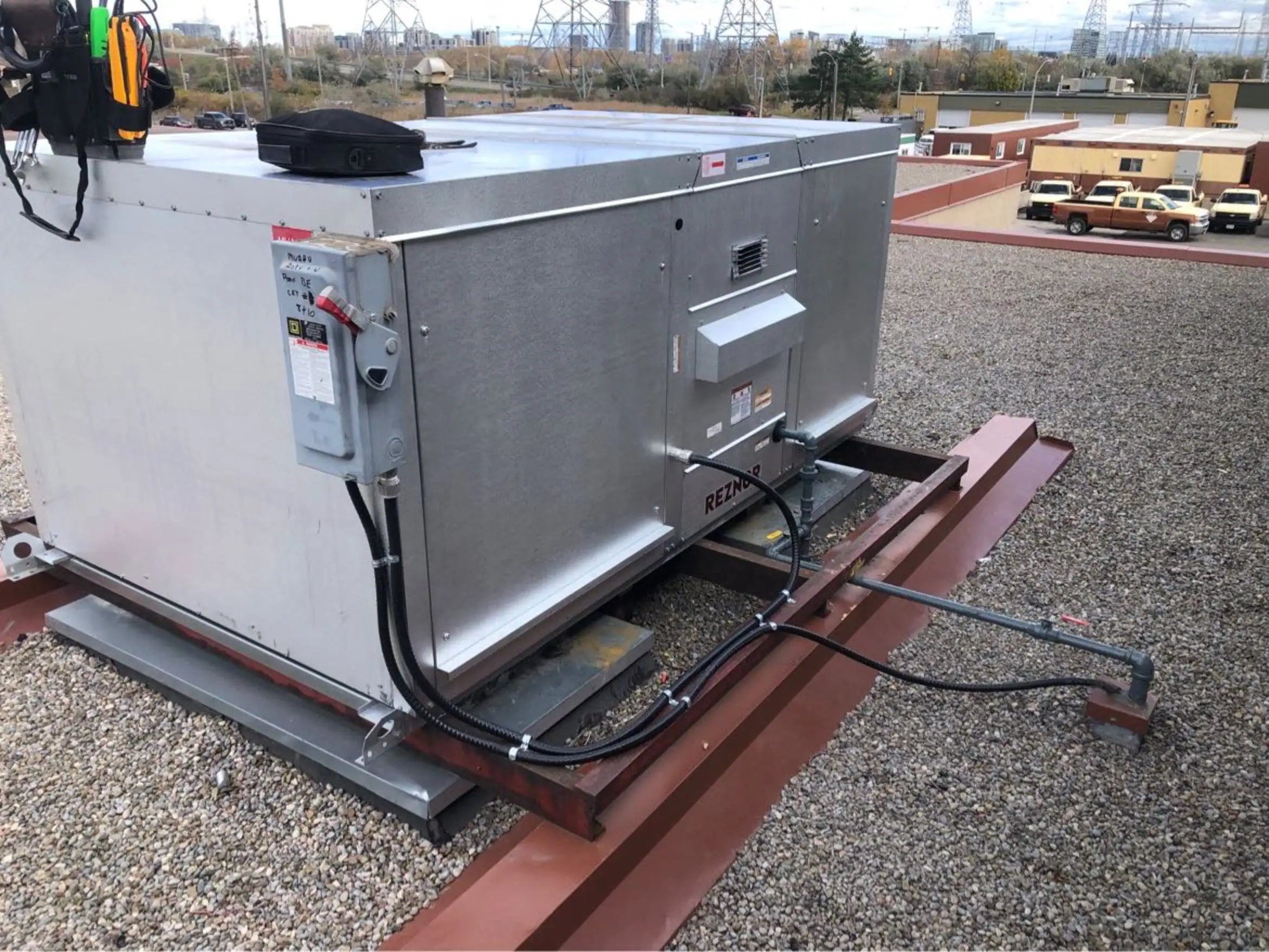
A technician's tools on a Reznor rooftop unit during a service visit

Commercial HVAC

Commercial HVAC Preventive Maintenance in Hamilton and Niagara

Planned around your equipment, your building and your requirements, not a template

On this page
  1. No templates
  2. What we maintain
  3. Why prevention pays
  4. Commercial maintenance questions

A rooftop unit that fails in a heat wave or a cold snap costs more than the repair: closed rooms, uncomfortable customers, unhappy tenants and, in a restaurant or medical office, lost business. Preventive maintenance (some call it preventative maintenance) is the best way to avoid it: equipment is inspected, cleaned and adjusted on a schedule, so worn parts are found and replaced before they fail. Lancaster Heating and Cooling provides preventive maintenance for commercial heating and cooling equipment for businesses and property managers across Hamilton, Halton and Niagara.

Talk to Us About Your Building

No templates

Commercial preventive maintenance isn’t a package you pick from a list. A plaza with several rooftop units, a restaurant with a make-up air unit and a busy kitchen, and a multi-unit building heated by boilers each need something different. So we start with a conversation about your building:

  • The equipment: what’s there, how old it is and what’s been failing.
  • The building: its size, how each space is used and when it’s occupied.
  • Your requirements: landlord, lease, insurer or head-office standards, warranty terms and budget.
  • How many sites: one location or several. See HVAC for property managers.

From there we agree on what gets maintained, how often and when, and adjust it as your buildings and equipment change.

What we maintain

  • Rooftop units (RTUs). See rooftop units.
  • Split, ductless and heat pump systems in offices, server rooms and additions.
  • Unit heaters in shops, warehouses and garages.
  • Make-up air units. See make-up air.
  • Boilers and circulator pumps in older and multi-unit buildings. See boilers.
  • Commercial water heaters, tank and tankless.

Why prevention pays

Most breakdowns start small: a worn belt, a dirty coil, a failing part. Caught on a planned visit, they’re cheap to fix and you choose the timing. Caught by a tenant on the hottest day of the year, they aren’t. When equipment does fail, our technicians are on call 24/7. See commercial HVAC repair.

To start, call 905-388-3333 or tell us about your buildings.
What to expect

How commercial preventive maintenance works

  1. Start with a conversation

    Your equipment, the size and use of each building, your requirements and how many sites you need covered.

  2. A plan for your building

    What gets maintained, how often and when, worked out with you. No templates.

  3. Visits around your hours

    Maintenance is scheduled to suit your tenants, staff and customers.

  4. Clear findings

    We explain what we found and, for older equipment, whether repairing or replacing makes more sense.

  5. Adjusted as you change

    New equipment, new tenants or a new site: the plan changes with your buildings.

Our work

See all projects
  • Commercial

    Commercial HVAC

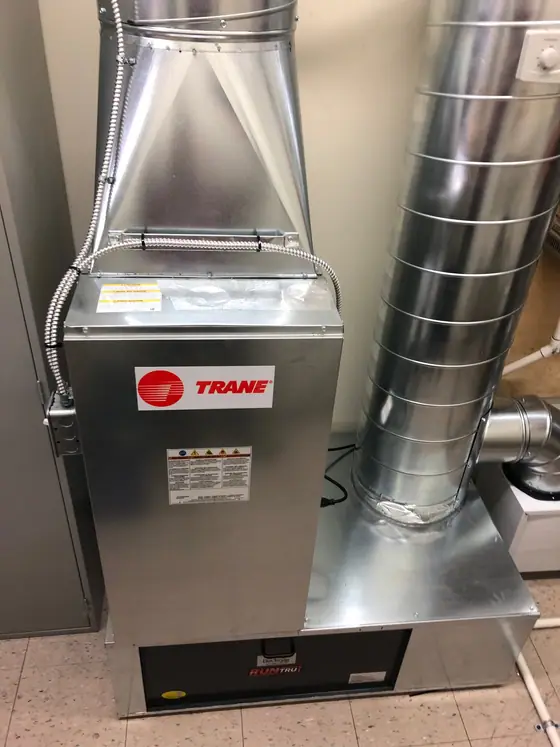
    Trane commercial installation

    A Trane indoor unit installed in a commercial building, connected to new sheet metal and spiral ductwork.

    Trane

    See our work
  • Commercial

    Commercial HVAC, Rooftop Units

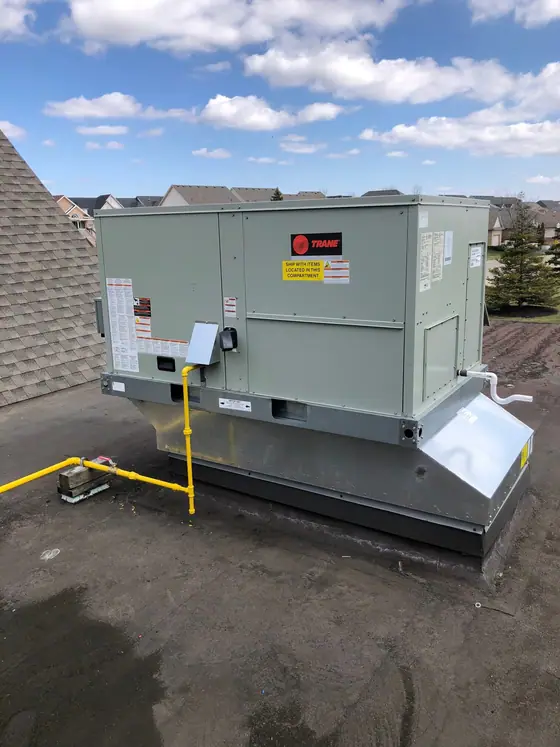
    Trane rooftop unit installed

    A Trane packaged rooftop unit on a flat roof, with its gas line run across the roof on supports.

    Trane

    See our work
  • Commercial

    Commercial HVAC

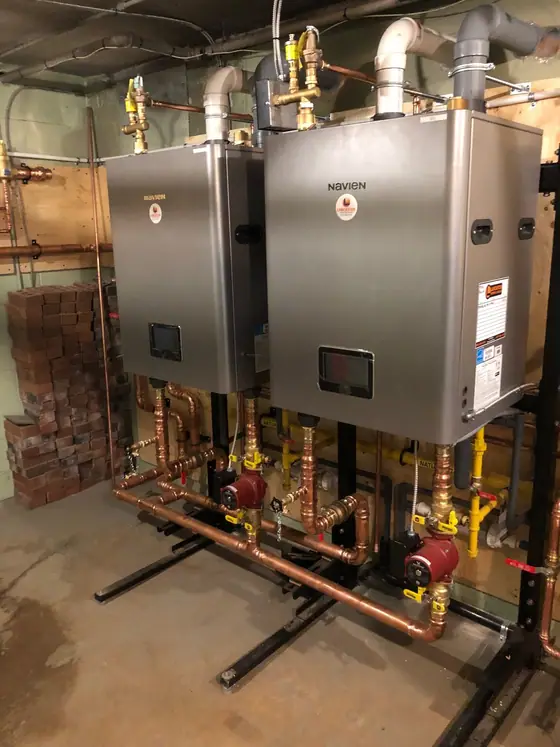
    Navien commercial installation

    Two wall-mounted Navien boilers installed side by side, with new copper piping, valves and circulator pumps.

    Navien

    See our work

Commercial maintenance questions

Do you have a standard commercial preventive maintenance plan?

No, on purpose. Our home service plans work because most homes have one furnace and one air conditioner. Commercial buildings don't: the equipment, the size of the property, how it's used and its commercial requirements all change what maintenance makes sense. We work it out with you for each building. Start the conversation.

How often should a rooftop unit be serviced?

Most need at least two visits a year: a spring cooling inspection and a fall heating inspection. Those visits catch worn belts, dirty coils, failing parts and safety issues before they shut you down, and help keep manufacturer warranties in place. Restaurants, dusty spaces and busy buildings may need filters changed more often.

What do you need from us to plan maintenance?

A list of the equipment at each site if you have one, the size and use of each building, your operating hours, and any requirements from your landlord, insurer, lease or head office. Tell us what's been failing, too.

Does skipping maintenance affect the warranty?

Manufacturers generally expect equipment to be maintained, and regular maintenance helps keep warranties in place. Keeping a record of each visit also makes a warranty claim easier if a part fails.

What if a maintenance visit finds a problem?

We explain what we found and what it will take to fix it, and for older or repeatedly failing equipment, whether repairing or replacing makes more sense. See commercial HVAC repair.

Ask Us a Question
Call now Book service