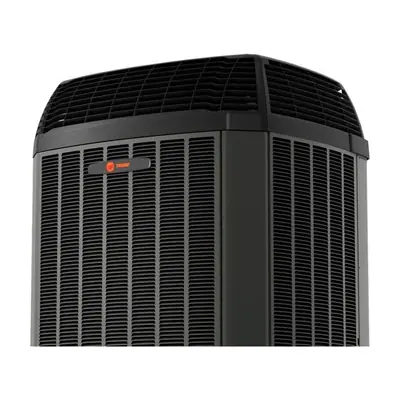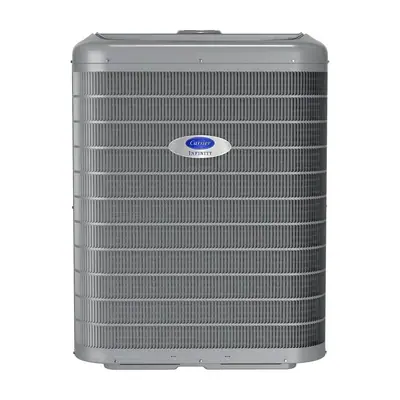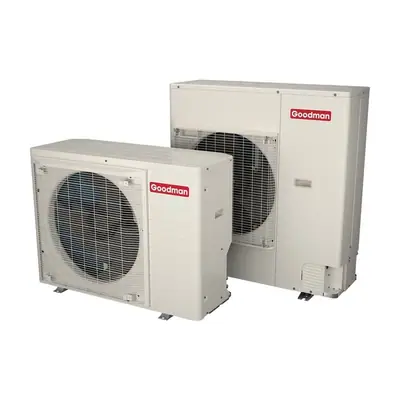
Short answer: The best heat pump for an Ontario winter is a cold-climate, variable-speed model that’s sized and installed for your home. Trane, Carrier and Goodman each make one. In our lineup, Carrier’s Infinity Ultimate Cold Climate keeps 100% heating capacity down to -18°C (0°F), Goodman’s GZV9S heats down to -29°C (-20°F) and Trane’s Premier 20 meets ENERGY STAR Cold Climate requirements. For ductless, Carrier’s Infinity mini-split keeps full heating capacity down to -30°C (-22°F).
Lancaster is an authorized dealer for every brand in this guide. It compares the heat pumps in our catalog using the manufacturers’ published specs. New to heat pumps? Start with how heat pumps work or heat pump vs. furnace vs. hybrid.
How to read cold-climate specs
Manufacturers don’t all publish the same cold-weather numbers, so compare carefully:
- Full-capacity temperature: the coldest temperature at which the heat pump still delivers 100% of its rated heat. This is the most useful number when you can find it.
- Minimum operating temperature: the coldest temperature at which it keeps heating at all, at reduced output.
- Capacity at 5°F (-15°C): the share of rated heat it keeps at -15°C. ENERGY STAR’s cold-climate designation requires at least 70% (ENERGY STAR).
- HSPF2: seasonal heating efficiency. Published US ratings use a milder climate region than the one Canada uses for its own efficiency rules (Natural Resources Canada), so treat HSPF2 as a way to compare models, not a prediction for a Hamilton January.
Ducted heat pumps compared
| Model | Tier | Compressor | SEER2 | HSPF2 | Cold-weather rating (as published) |
|---|---|---|---|---|---|
| Carrier Infinity Ultimate Cold Climate 27VNA1 | Premium | Variable (30–100%) | 21.2 | 12.5 | 100% capacity to -18°C (0°F); heats to -31°C (-23°F) |
| Carrier Infinity 27VNA3 | Premium | Variable (20–100%) | 23 | 10.5 | Heats to -25°C (-13°F); ENERGY STAR Cold Climate |
| Trane Premier 20 | Premium | Variable (25–100%) | 22.4 | 10.5 | 70% capacity at -15°C (5°F); 100% to 0°C (32°F); ENERGY STAR Cold Climate |
| Goodman GZV9S | Premium | Variable | 21 | 10 | Heats to -29°C (-20°F) |
| Goodman GZV7S | Premium | Variable | 19 | 8.8 | At least 70% capacity at -15°C (5°F); ENERGY STAR Cold Climate |
| Goodman GZV6S | Premium | Variable | 19 | 8.8 | Heats to -23°C (-10°F) |
| Carrier Performance 19 27VPA9 | Mid-range | Variable | 19 | 10 | ENERGY STAR Cold Climate |
| Trane Priority 17 | Mid-range | Multi-speed (70/100%) | 17.1 | 11 | 70% capacity at -15°C (5°F); 100% to -3°C (27°F) |
All ratings are “up to” figures for specific matched indoor units. Compare by brand: Trane, Carrier and Goodman.
Single-stage and two-stage heat pumps
Not every home needs a premium cold-climate unit. Two-stage models such as the Carrier Performance 27TPA8 (up to 18.5 SEER2, 8.5 HSPF2) and Goodman GLZT7C (up to 17.5 SEER2, 8.2 HSPF2), and single-stage models such as the Carrier Comfort 27SCA5, Goodman GLZS5B and Goodman GLZS4B, work well as part of a hybrid system, where a gas furnace takes over on the coldest days. Carrier lists the 27TPA8 as Hybrid Heat compatible, and Trane suggests pairing the Priority 17 with a gas furnace for long, very cold winters.
Brand by brand
Carrier
has the widest cold-climate range in our catalog. The Infinity Ultimate Cold Climate is built for sub-freezing heating and comes in one size. Carrier lists the Infinity 27VNA3 and the Performance 19 as meeting ENERGY STAR Cold Climate criteria in all sizes. Infinity models add over-the-air software updates, Quiet Mode and advanced defrost, and the Performance 19 supports remote dealer diagnostics through InteliSense.
Trane’s
Premier 20 has a sound power rating from 51 dB, and Trane says it holds within half a degree of the setpoint. The Priority 17 is 24V compatible, so it can work with your existing furnace and two-stage thermostat.
Goodman’s
inverter heat pumps go as low as 45 dBA in quiet mode. The GZV9S All-Climate model uses a hot gas base pan instead of an extra drain pan heater down to -15°C (5°F) and works with ComfortBridge and the Goodman GTST thermostat.
Ductless mini-splits compared
| Model | Tier | SEER2 | HSPF2 | Cold-weather rating (as published) |
|---|---|---|---|---|
| Carrier Infinity 37MPRA | Premium | Up to 35.1 | Confirm with us | 100% heating to -30°C (-22°F); built-in base pan heater |
| Carrier Performance 37MARA | Mid-range | Up to 26 | Up to 13.9 | Operates to -25°C (-13°F); works with eight indoor unit types |
| Carrier Comfort 37MHRAQ | Standard | Up to 22.4 | Up to 9.4 | Not published |
| Goodman 20 Series single-zone | Not tiered | 19.5–20 | 9.3–10 | Heats to -25°C (-13°F); ENERGY STAR Cold Climate; drain pan heater |
| Goodman 20 Series multi-zone | Not tiered | Up to 20.5 | 10 | ENERGY STAR Cold Climate; two zones from one outdoor unit |
Carrier’s published HSPF2 figures for the Infinity mini-split differ between sources, so we’ll confirm the rating for your pairing. Goodman’s single-zone indoor units run as quietly as 19 dBA. See all ductless mini-splits and our ductless heat pump service. Our online catalog doesn’t list Trane ductless models yet, so ask us about current options.
Warranty
As published by the manufacturers:
- Carrier: Consumer Choice Warranty on most models (with timely registration, a 10-year parts limited warranty or 5-year parts plus 3-year labour where the dealer participates). Both Infinity ducted heat pumps add a 10-year unit replacement limited warranty for compressor failures. The Comfort 27SCA5 has a 10-year parts limited warranty with timely registration.
- Goodman: 10-year parts limited warranty with online registration within 60 days. The GZV and GLZT7C models add a 5-year unit replacement limited warranty.
- Trane: ask us for the current terms on your model.
Why sizing and installation matter in cold climates
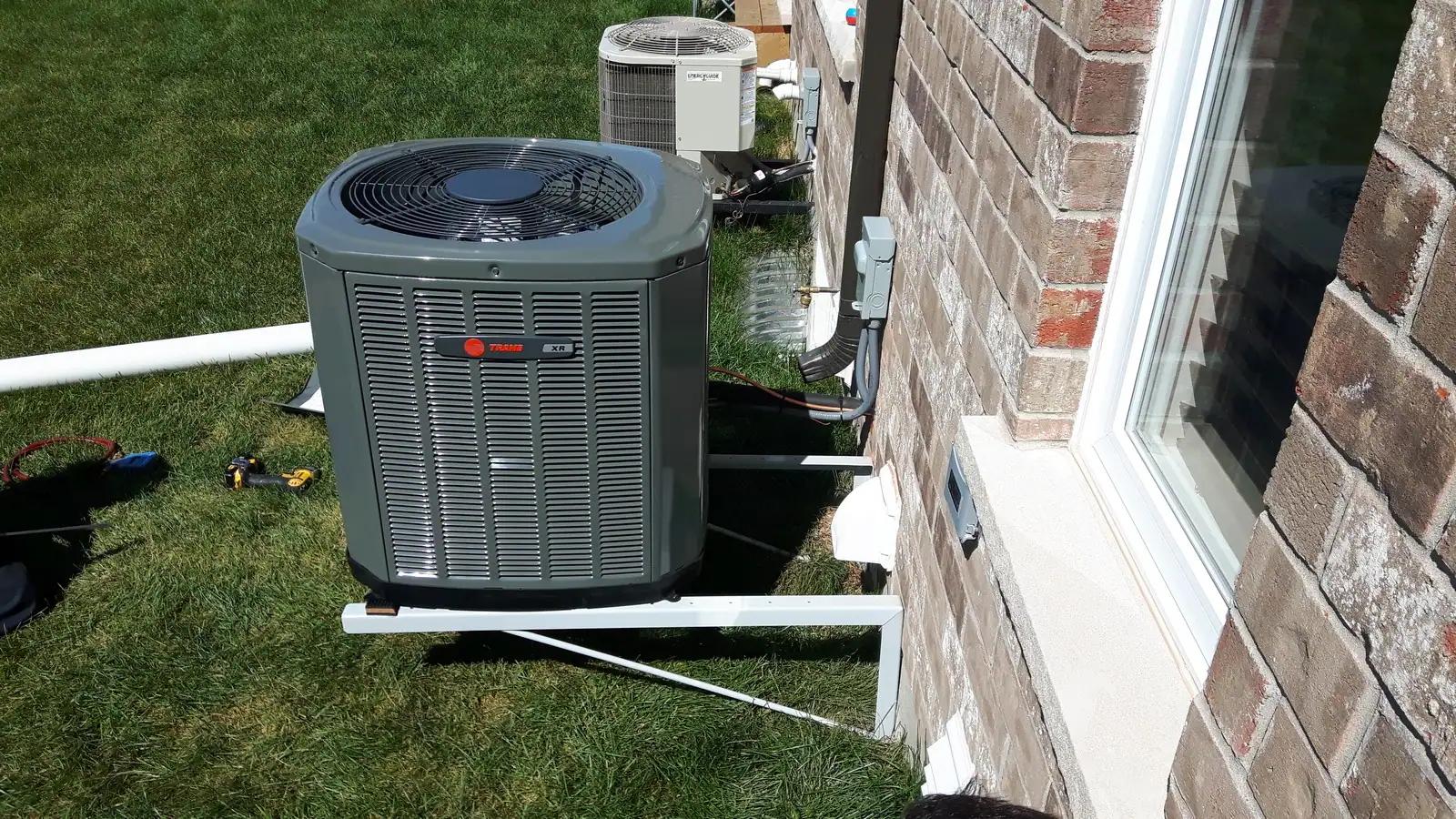
A heat pump sized only for summer cooling can come up short in January; one sized too large can short-cycle in spring and fall. A load calculation for your home sets the right capacity and the temperature at which backup heat or a furnace takes over. Outdoor unit placement matters too: it needs clearance above snow and drifting, and somewhere for defrost water to drain. New systems use lower-GWP refrigerants (R-454B or R-32 in our lineup); see the refrigerant regulations.
Rebates
The Home Renovation Savings Program covers cold-climate air-source heat pumps, ducted or ductless, when the model is on Natural Resources Canada’s eligible list, and a participating contractor must get written pre-approval before work starts. A new federal National Heat Pump Rebate covers eligible installations from November 1, 2026. See current amounts and rules on our rebates page.
Which should you choose?
- No natural gas (electric, oil or propane heat): a premium cold-climate model such as the Carrier Infinity Ultimate Cold Climate or Goodman GZV9S.
- Gas furnace in good shape: a mid-range or two-stage heat pump as a hybrid system, such as the Trane Priority 17 or Carrier Performance 27TPA8.
- Quiet, steady comfort: Trane Premier 20 or Carrier Infinity 27VNA3.
- No ducts, an addition or a problem room: a ductless mini-split from Carrier or Goodman.
Every home is different. We’ll recommend a heat pump for your home and confirm rebate eligibility. Explore heat pumps, request a quote, or ask about financing.