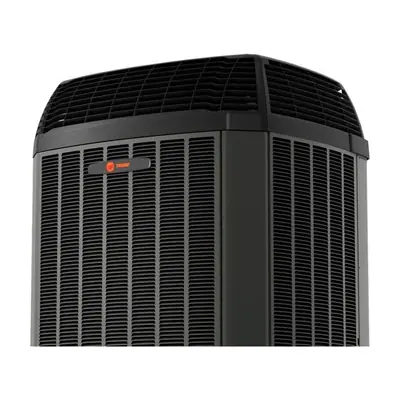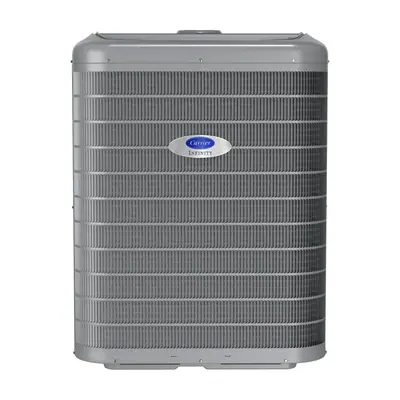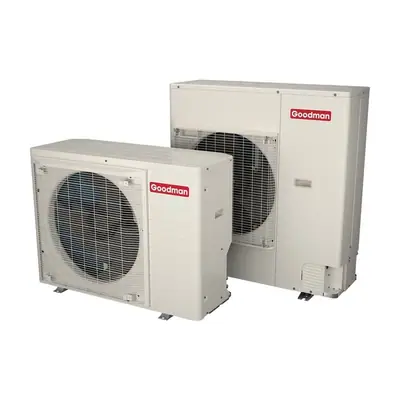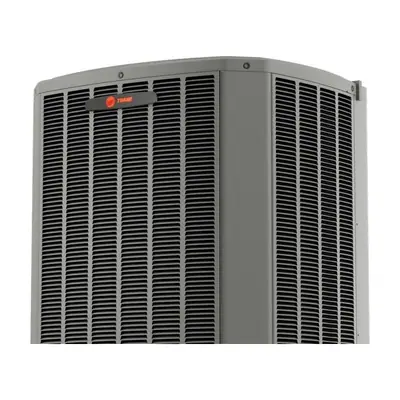
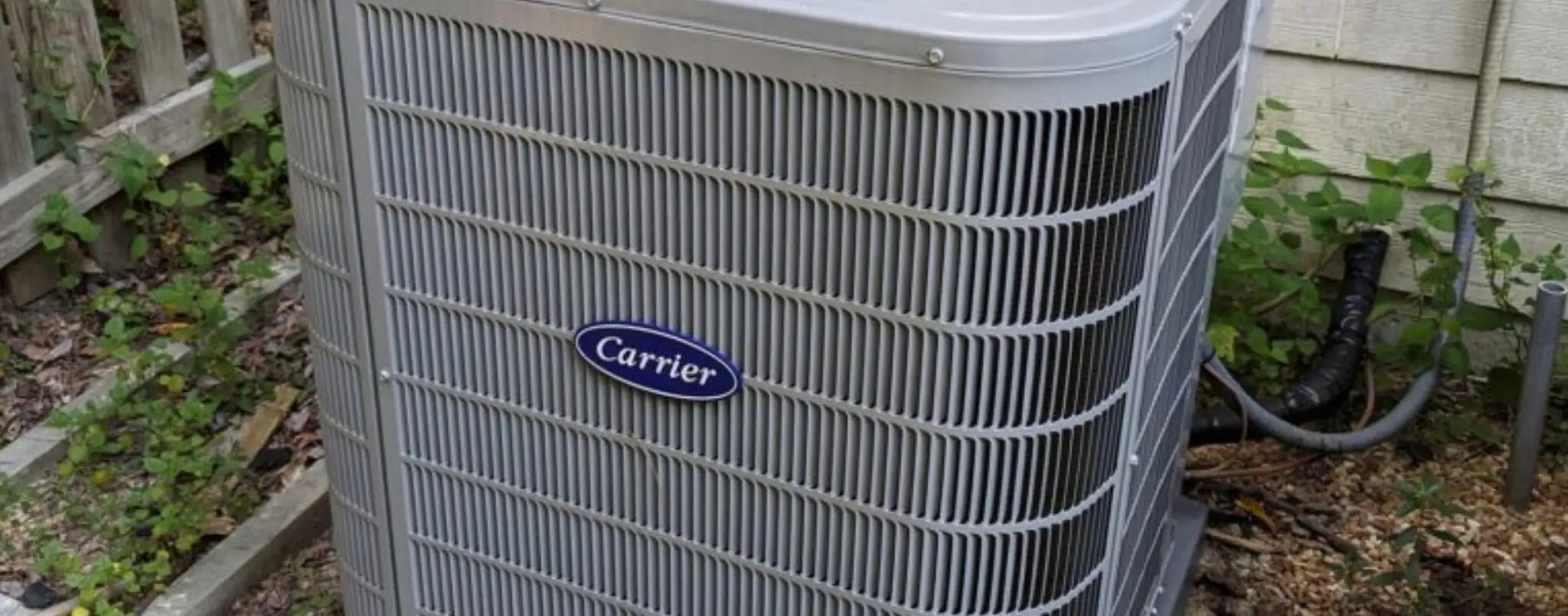
Based on public Canadian cost guides, replacing a central air conditioner in Ontario typically costs about $4,000–$8,500 installed, before tax, depending on the size and efficiency of the system and how much the installation involves. Here’s what each option typically costs, what moves the price, and how to get an accurate number for your home.
Typical air conditioner replacement costs in Ontario (2026)
| System | Typical installed range in Ontario |
|---|---|
| Standard single-stage central air conditioner | About $4,000–$6,500 |
| High-efficiency two-stage or variable-speed central air conditioner | About $6,500–$10,000 |
| Central air conditioner and furnace replaced together | About $8,000–$14,000 |
| Ducted heat pump instead of an air conditioner (standard, existing ducts) | About $5,000–$10,000 |
These are typical installed price ranges in Ontario based on public sources (listed below), including equipment and standard installation, before tax and rebates. They’re not a Lancaster quote; your price depends on your home and the system you choose.
A standard installation includes the outdoor unit, a matched indoor coil, a new or flushed refrigerant line set, the pad or bracket, electrical connection to the existing disconnect, and removal of the old unit with proper refrigerant recovery. Check that every quote you compare includes the same items.
To compare brands and models, read Trane vs. Carrier vs. Goodman air conditioners or browse the air conditioners we carry.
What changes the price
- Sizing: central air conditioners are sized in tons. The right size comes from a cooling-load calculation, not the old unit’s label. Larger systems cost more, and an oversized unit cools quickly but leaves the house clammy.
- Efficiency and staging: higher SEER2 ratings and two-stage or variable-speed compressors cost more up front, but they run quieter, control humidity better and use less electricity.
- Indoor coil and furnace: the coil must match the outdoor unit. An older furnace with a single-speed blower may limit a high-efficiency system, which is why some homeowners replace both.
- Refrigerant and line set: new systems use newer refrigerants (see our refrigerant regulations guide). A long, damaged or undersized line set may need replacing.
- Electrical: a new disconnect, breaker or wiring upgrade adds cost, especially in older homes.
- Ductwork: undersized or leaky ducts limit airflow and comfort. A first-time installation in a home without ducts costs much more. See ductwork.
- Placement and access: moving the outdoor unit, rooftop or tight side-yard locations, and long runs add labour.
- Permits and removal: the permit (where required), refrigerant recovery and disposal of the old unit belong in a complete quote.
Rebates and financing
According to our rebates guide, there are currently no rebates for central air conditioners from the Home Renovation Savings Program, Enbridge Gas or Save on Energy.
Heat pumps are different. A heat pump cools like an air conditioner and also heats your home, and eligible cold-climate heat pumps qualify for Home Renovation Savings rebates of up to $7,500 in homes heated by electricity, oil, propane or wood, or up to $2,000 in Enbridge gas-heated homes, plus the new federal National Heat Pump Rebate. Pairing a heat pump with your furnace (a hybrid system) can qualify too. If you’re replacing an air conditioner, it’s worth comparing. See AC replacement, heat pumps and our heat pump cost guide.
Save on Energy’s Peak Perks also pays $75 to enrol and $20 a year if you let your smart thermostat adjust your central air slightly during summer peak demand.
Financing: spread the cost over monthly payments with Financeit financing.
Ways to save
- Right-size it. Ask for a cooling-load calculation. A smaller, correctly sized system often costs less and keeps you more comfortable than an oversized one.
- Replace before it fails. Planning a replacement in spring or fall gives you time to compare quotes instead of accepting whatever is available during a heat wave.
- Consider the furnace. If your furnace is old, replacing both together can save a second installation later.
- Compare a heat pump. Rebates can narrow the price gap, and you get efficient heating as well.
- Maintain it. A yearly tune-up keeps the system efficient and helps keep the warranty valid. Our service plans include a spring 21-point air conditioner inspection. See also tips to keep your AC running at its best.
How to compare air conditioner quotes
Two quotes for the “same size” air conditioner can differ by thousands of dollars. Ask every contractor:
- Did you do a cooling-load calculation, or are you matching the old unit’s size?
- What are the exact model numbers of the outdoor unit and the indoor coil, and are they a matched system with a published SEER2 rating?
- Is the line set being replaced or reused, and is the refrigerant charge being adjusted to the manufacturer’s specifications?
- What’s included: pad, disconnect and electrical work, thermostat, condensate connection, permit, removal of the old unit and refrigerant recovery?
- Will my furnace’s blower work well with the new system, or do you recommend changes?
- What warranty is included on parts and on labour, and does it require registration and yearly maintenance?
Get an accurate quote
Online ranges are a starting point. Your price depends on your home’s cooling load, ducts, electrical service, furnace and the system you choose. Lancaster Heating and Cooling will assess your home, explain standard, mid-range and premium options, including a heat pump, and give you a clear, itemized quote at no cost.
Request a free in-home quote, ask about financing, or call 905-388-3333.
Sources
Typical ranges are rounded from these public Canadian sources (checked November 2026):
- HomeStars: central air conditioner cost and HVAC installation cost
- Green Building Canada: cost to install AC in Canada
- FurnacePrices.ca: air conditioners in Ottawa
- Air Force Heating: AC installation cost
- Custom Contracting: furnace and AC replacement cost in Ontario (2026)
- Green Building Canada: heat pumps vs. gas furnaces vs. hybrid systems
- Rebate details: our rebates guide, which links to the official program pages.